
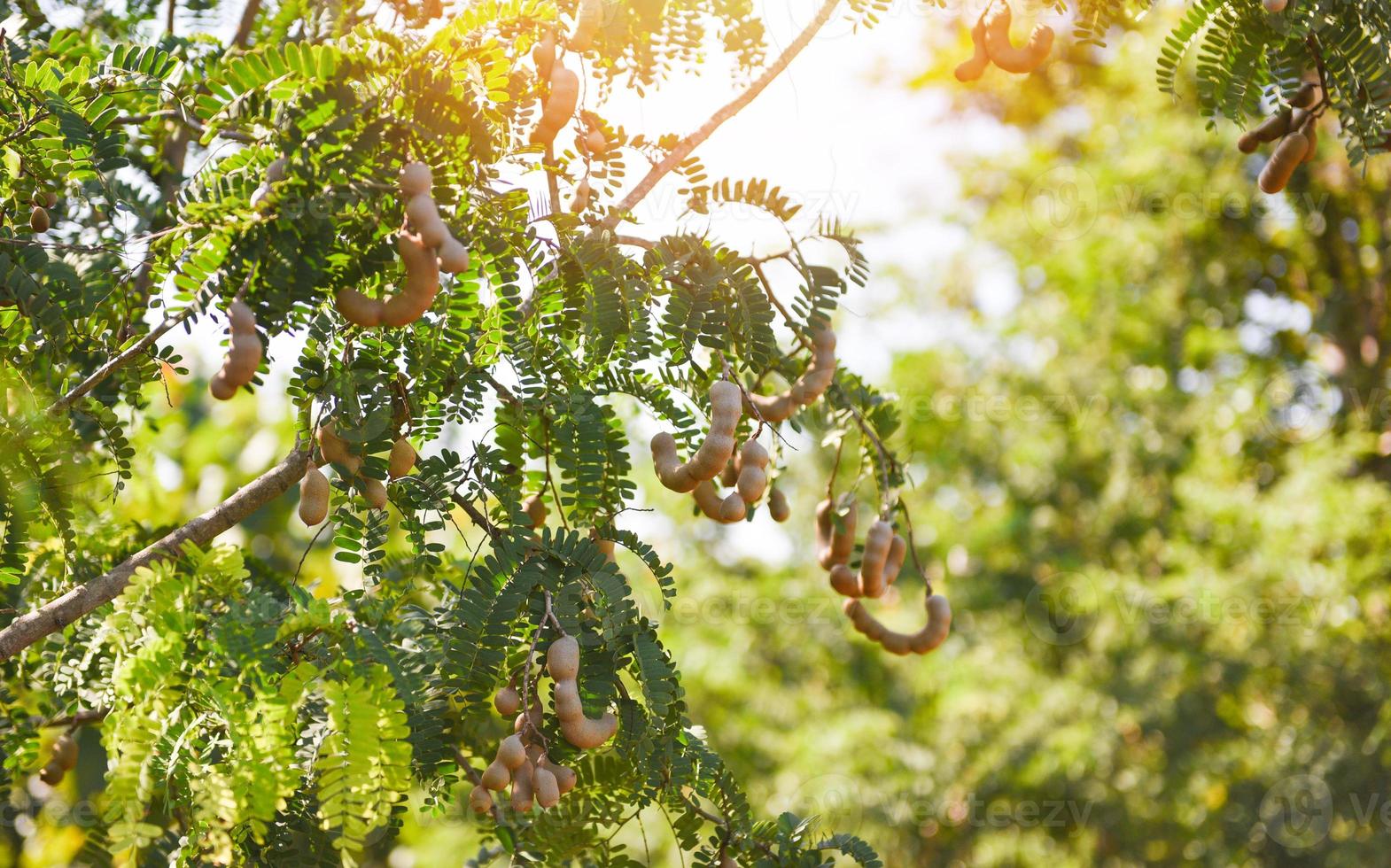
Clean-Label Formulation: How Tamarind Concentrate is Transforming Modern Food Manufacturing

Clean-Label Formulation: How Tamarind Concentrate is Transforming Modern Food Manufacturing
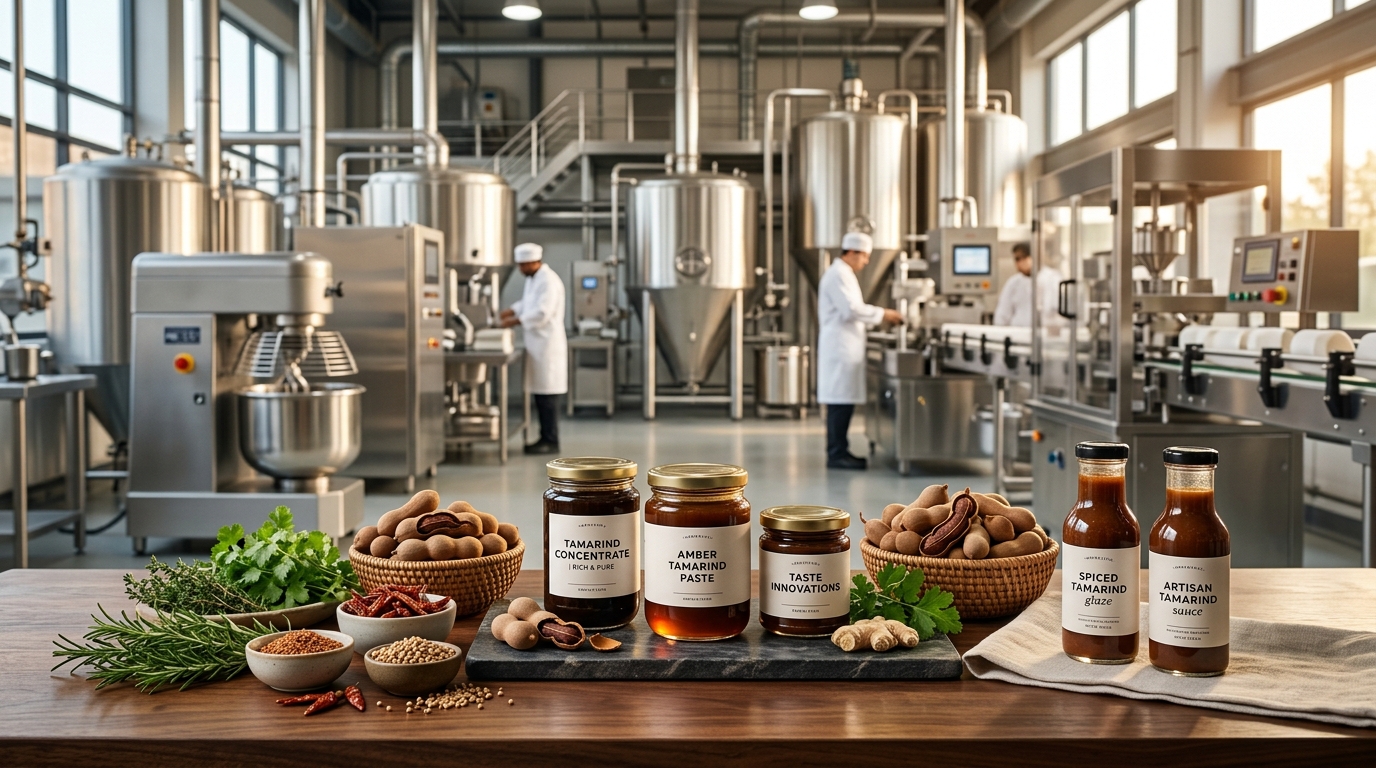
The global food manufacturing landscape is undergoing a decisive transformation. Today's consumers demand shorter ingredient lists, recognizable whole-food components, and total transparency—without compromising on flavor intensity, texture, or shelf life.
For food scientists, product developers, and B2B food manufacturers, replacing synthetic additives with high-performing natural alternatives is the primary objective. Among natural ingredients, pure tamarind concentrate has emerged as an indispensable powerhouse for clean-label sauce formulation, prepared meals, marinades, and snack seasonings.
The Clean-Label Challenge in Commercial Processing
Formulating commercial food products at scale requires solving intricate technical hurdles:
- pH Stabilization: Achieving target acidity to prevent microbial growth while maintaining palatability.
- Natural Color Enhancement: Providing appetizing deep caramel and mahogany hues without synthetic artificial dyes (such as Caramel Color IV / E150d).
- Viscosity & Emulsion Support: Maintaining smooth cling and uniform suspension in high-shear industrial cooking systems.
- Flavor Masking & Umami Amplification: Rounding out bitter notes in plant-based proteins or sodium-reduced formulations.
Tamarind concentrate naturally addresses each of these formulation requirements within a single, whole-fruit ingredient declaration.
4 Technical Advantages of Tamarind in Food Processing
1. Natural Organic Acid Buffer
Tamarind is rich in naturally occurring tartaric acid (8%–12%), malic acid, and citric acid. In commercial sauce and dressing formulations, tamarind concentrate acts as a natural buffer, lowering product pH to the safe preservation zone (pH 3.2 – 3.8) without imparting the harsh chemical vinegar note associated with excessive acetic acid.
2. Eliminating Synthetic Caramel Colorings
As consumer concern surrounding ammonia-process caramel colors increases, tamarind concentrate provides a 100% natural, heat-stable dark amber pigmentation. In barbecue sauces, gravies, Worcestershire-style condiments, and meat glazes, tamarind delivers appetizing visual depth naturally.
3. Synergistic Umami Enhancement
Tamarind contains naturally occurring glutamic acid precursors and fruit sugars that react favorably during thermal processing (Maillard reactions). When blended with savory aromatics, soy sauce, or mushrooms, tamarind acts as a clean-label flavor potentiator, boosting perceived savoriness while allowing for a 15% to 25% reduction in added sodium.
4. Pectin-Rich Rheology & Cling
Because raw tamarind naturally contains fruit pectins, Esskay’s gently extracted concentrate enhances sauce adherence and gloss without relying entirely on modified cornstarches or synthetic stabilizers.
Application Matrix for Industrial Food Processors
| Category | Role of Tamarind Concentrate | Functional Benefit | Typical Inclusion Rate |
|---|---|---|---|
| Condiments & BBQ Sauces | Primary acidulant & colorant | Eliminates synthetic color, provides tangy glaze cling | 5% – 12% |
| Ready-to-Eat (RTE) Meals | Curry base & simmer sauces | Standardizes acidity, authentic regional flavor profile | 3% – 8% |
| Meat & Plant-Protein Marinades | Enzymatic tenderizer & flavor infuser | Penetrates protein matrix, softens fibers, accelerates flavor absorption | 4% – 10% |
| Snack Food Seasoning Pastes | Binder & sour top-note | Adheres dry spices to extruded snacks, nuts, and chips | 2% – 5% |
| Noodle & Stir-Fry Base Packs | Authentic Pad Thai / Sweet-Sour base | High thermal stability during retort or aseptic packaging | 6% – 15% |
The Industrial Advantage: Esskay’s Quality Standards
One of the largest hurdles commercial manufacturers face when using agricultural ingredients is batch variability. Fresh tamarind fruit varies significantly by harvest season, region, moisture level, and seed-to-pulp ratio.
Esskay Fruits and Flavours bridges this gap with rigorous industrial processing standards:
- Standardized Brix Specifications: Available in uniform 65° to 70° Brix concentrates, ensuring precise dosing across automated dispensing lines.
- Sterile, De-Seeded, and Micro-Filtered: 100% free from seed fragments, shell particles, and insoluble fiber clumps that could clog commercial pumps or nozzles.
- Global Compliance & Traceability: Produced under strict HACCP and FSSAI quality management protocols, supported by full Certificate of Analysis (CoA) documentation for every lot.
- Flexible B2B Packaging: Available in food-grade buckets, 200L drums, and bulk intermediate bulk containers (IBCs) tailored for high-volume industrial processing.
Accelerate Your Clean-Label Innovation
Whether you are reformulating legacy sauces to meet modern clean-label standards or designing next-generation global cuisine offerings, Esskay Tamarind Concentrate provides the purity, consistency, and functional performance your production lines require.
Contact our technical sales and formulation team today to request product specifications, samples, or pilot-batch trial quantities.
About the Author

Esskay Industrial Solutions
Food Industry Expert
With over 15 years of experience in the food industry, our expert brings valuable insights into natural ingredients and their applications in commercial food production.